
Getting-Alongness
Report from the Mesa

New Mexico. Today I drove the Enchanted Circle Scenic Byway, a 84 mile loop around Wheeler Peak near Taos, New Mexico. When scoping out the route and potential stops along the way, a Vietnam Veteran Memorial came up as a suggestion, which I quickly ruled out. I thought, a memorial up in the rugged New Mexican mountains, how odd! The Vietnam War has been far from my consciousness for some time. Yet as I drove by the memorial, the architectural forms of the welcome sign called me in. Or perhaps the energy that inspired the welcome sign called me in.
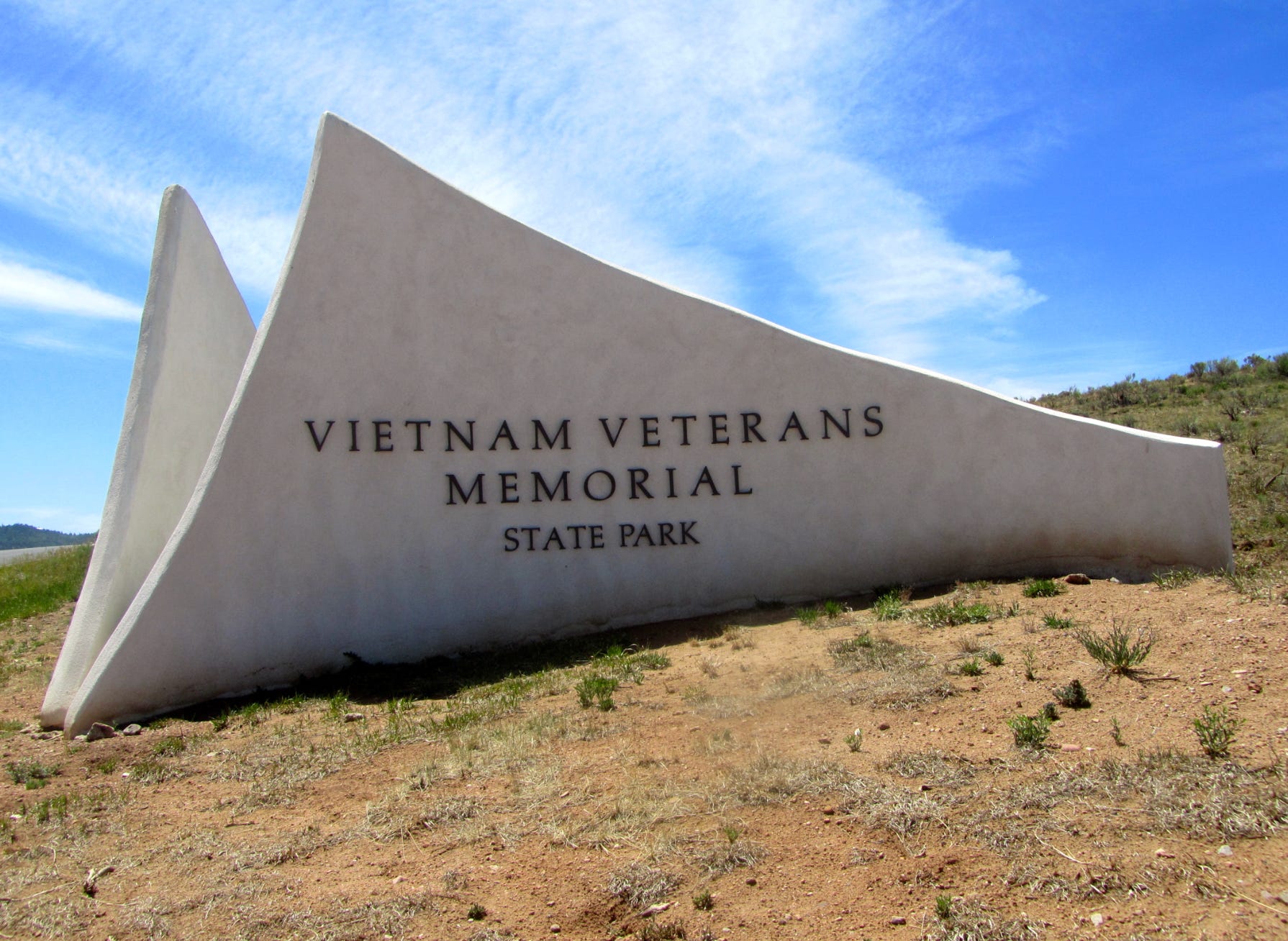
As I drove in and saw the grandiosity of the site, I was immediately struck with empathy for the individuals who gave their lives to a cause so many believe was wrong, horrific, shameful, and embarrassing. Imagine your life was sacrificed, your youth sacrificed, your mental health sacrificed for what “one side” considers an embarrassment to the country and humanity at large. This initial thought, which truly resonated in me for the first time, encapsulates the essence of what I found there: A community of meaning and brotherhood for those who experienced this side of the war.
For me personally, it is interesting to revisit the Vietnam War, as I was raised within a progressive leftist context in which the countercultural movements of the 1950s, 60s, and 70s were central inspirations. Front and center to the idealism of those countercultural movements was their fight against the Vietnam War. I was brought up hearing stories from family friends who had evaded the draft in various colorful ways (my personal favorite: taking LSD before the draft interview).
But here in the New Mexican Mountains, I found another perspective, another story also filled with deeply spiritual, future-bearing, forces. Here is where the depolarization work that I have been undertaking is key. The capacity to include another perspective within the frameworks of belonging. “They” belong here. Their experience is valued, and spiritual beings are working with their destinies in an intimate fashion.
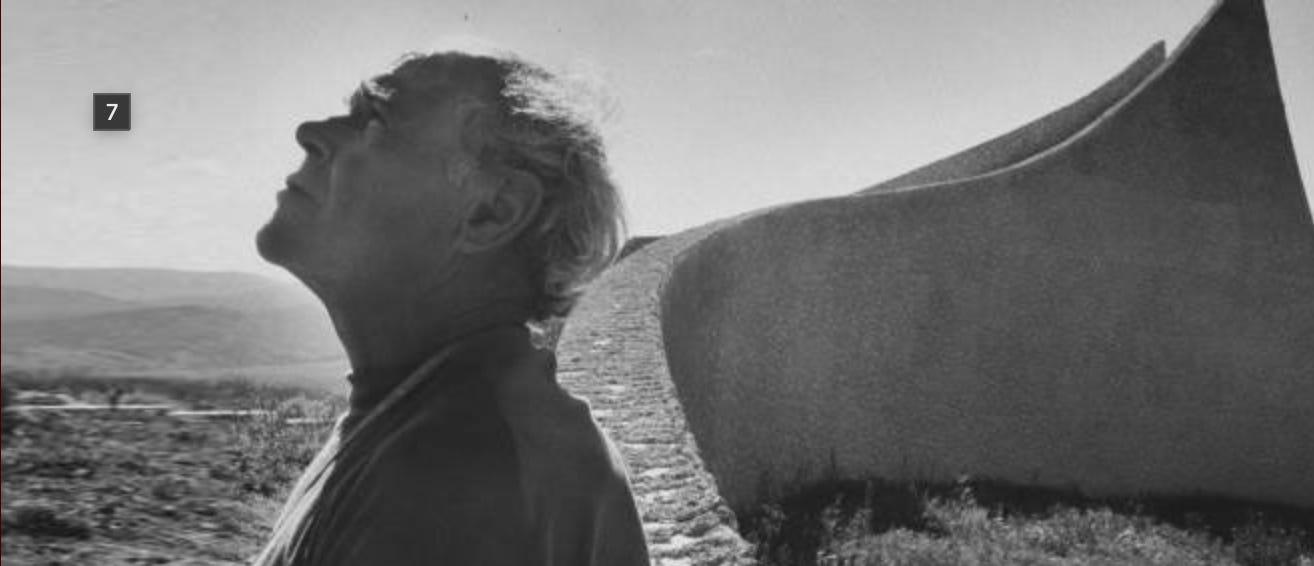
The memorial is situated on 5 acres of an 800 acre property owned by the parents of a young American soldier who died in combat during Vietnam. Upon his death, they decided not to develop the property into a resort and golf course as planned, but instead build this memorial site. They started with a chapel initially intended to honor their deceased son and his battalion, but which expanded to include all Vietnam Veterans. It became a place for veterans and the families of those killed in combat to congregate and create community together amidst the unpopularity of the Vietnam War. The importance of this community to the people who needed homecoming and meaning-making after returning from war can not be understated. Sides, opinions, standpoints, and positions are immaterial; this goes deeper.
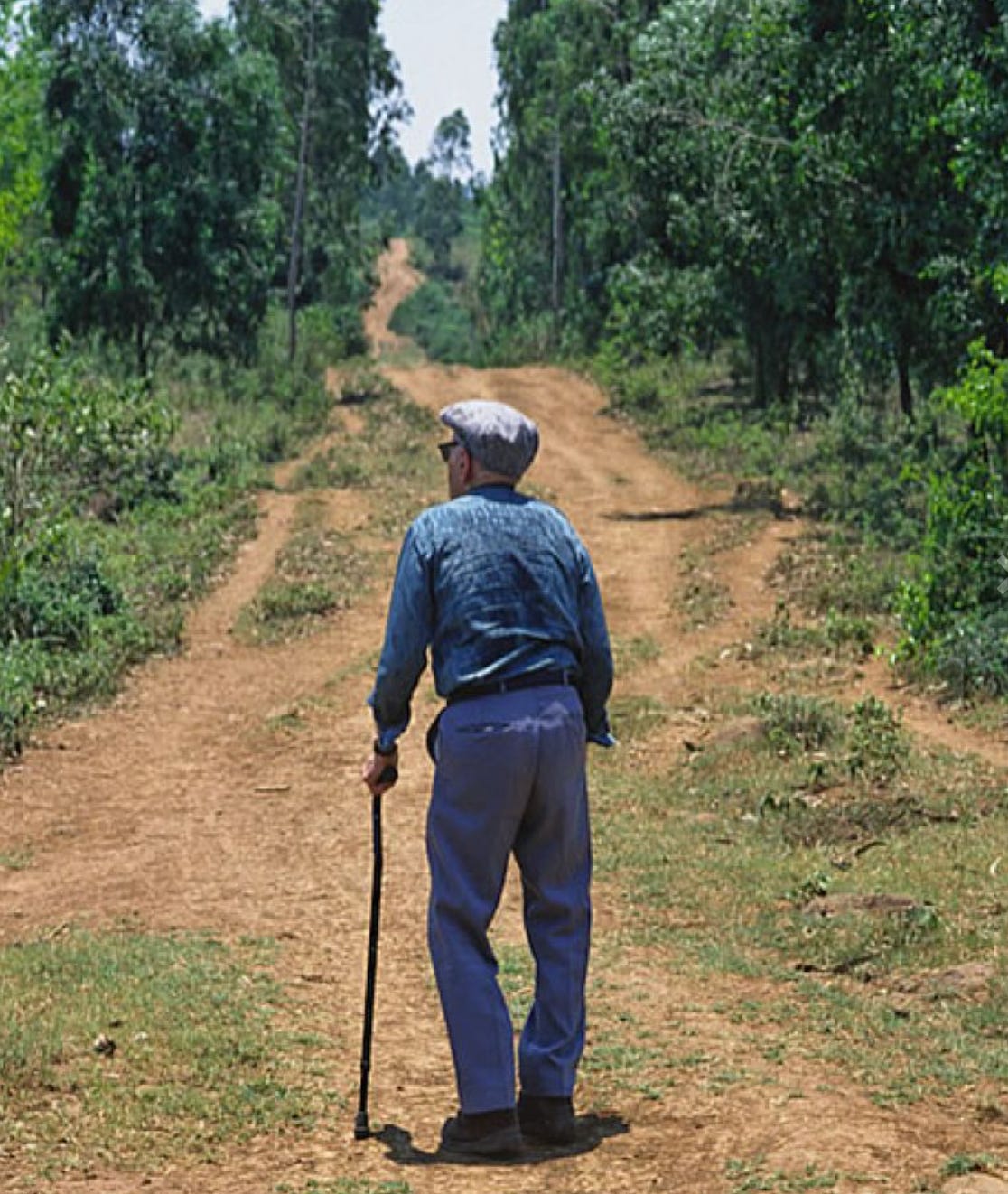
One of the central tasks of the site is geomancy. Geomancy is essentially the utilization of the land as a shrine for operative rituals. The dedication of the land itself toward this cause, the building of the structures, and most significantly for me, the ritual that “Doc,” the father of the deceased soldier, undertook. Doc took soil from the memorial site in New Mexico and brought it to the place in Vietnam where his son and others in his battalion had been ambushed and killed. He gave the New Mexican soil to the Vietnamese earth, and collected Vietnamese soil, which he brought back to consecrate the earth on the memorial site in New Mexico.
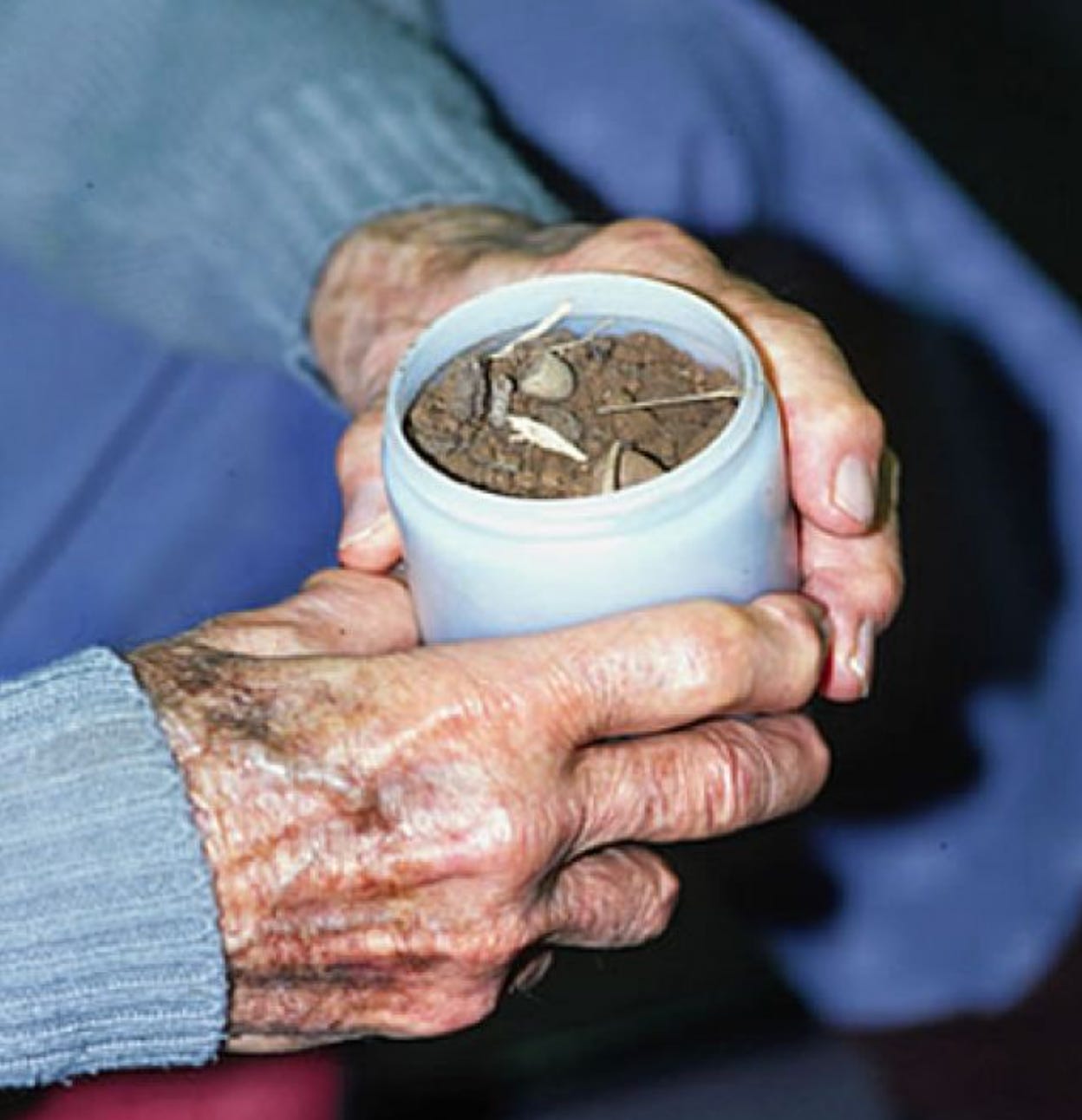
Doc brought the intentions, the prayers, the suffering, and pain that he and this community were creating and caretaking in New Mexico and carried them to Vietnam, to the place where his family’s destiny changed forever. Doc created a conversation space. First, amongst the veterans and their families, and then on a higher level, amongst lands. Through the exchanging of soils the folk souls furthered their conversation.
As I entered the site, I immediately met the cognitive activity working there, the spiritual beings who think in us. Every part, which I encountered, works from the whole. The stadium, the bell, and inside the museum, the bullets, medals, the Russian rifles supplied to the North Vietnamese Army, the US Army radios, and the hand-made North Vietnamese grenades. Through cultivating a higher observation, I let these objects speak within me.
The artifacts and the place both hold beings. The beings speak thoughts in us if we host them—beyond subjectivity, discrimination, and standpoint. Phenomena come into us and move through us. The phenomena are temporal: passing and arising, passing and arising. What stays is the consciousness which views them.
My consciousness, by becoming form after form, maintains a resonance of the forms which I perceive. The resonance has no form, but is movement—the activity which creates form. As the resonance becomes a clearer and clearer percept, deeper—more intimate—realms speak. This speaking is closer to a sound than an image, and in that sense, we perceive the movement through clairaudience. Thus, this movement, this activity, this speaking becomes inner life connecting to inner life, beyond boundaries of time and space.
At the memorial, the dead speak for the space, and the space is a speaking of the dead. Here in this desert, in the aura of this mountain. In the long expanse of brush with its spring grass, soft winds, and brisk nights. Under the heat of the Southwestern sun which dictates above all.
While I was viewing the museum in the visitors center, there were three old vietnam veterans who volunteer for the foundation sitting around in the back office. They were like family. And while I took in the exhibit their chatter was a helpful background to the tuning I was doing into the being of the place. Then I heard a comment that immediately woke me up. I knew immediately that what was happening now was expressly for me. This next moment was to be a speaking of higher spiritual beings through the veterans for my benefit and education. The elder knew what he was saying, but on a plane above the intellect, a deeper knowing. This comes from a degree of communion.
The eldest asked:
Do you remember that fella, Rodney King?
The others:
Oh yeah I do.
Sure, I remember him.
The eldest:
Well, he said: “Why can’t we all just get along?”
The others:
Laughter…
Well, you know why.
The eldest:
Yeah, but I just like to put it out there sometimes.